Usually one trip. Guests and cleaners on codes instead of keys? See smart lock installation.
ID tied to the home, or the owner's OK for a rental.
Doors, sliders, gates and any keypad.
Your call, after you've heard which makes sense.
Tried in every lock before we leave, old keys retired.
A lot of homes here are owned from somewhere else, rented out part of the year, or shut for the off-season. Each of those means keys you've lost track of: past guests, cleaners, property managers, a neighbor who checked on the place. Rekeying clears all of them in one visit.
When the house has been closed for months, the locks are worth a check anyway, since a cylinder left in salt air can be stiff by the time you're back.
Inland neighborhoods like Carolina Forest and Forestbrook are full of newer houses with keypad deadbolts, garage entries and patio sliders, often keyed differently from each other. Near the ocean, condo units have a front door, a storage closet and a mailbox, each on its own key, and older beach houses have doors that swell and stick through the humid summers until the deadbolt barely lines up. Many of those beach houses were built long before keypads existed, and have had several locks swapped in since.
Before the visit, walk the house and count the outside doors, including the slider and the door from the garage. Gather every key you have and any keypad owner codes. If it's a condo, check with the association about master keys; if it's a rental, have the owner's OK ready, and let any guests who are staying know that a technician is coming. For a house that's been closed for months, try each door once before the visit so any that stick can be pointed out.
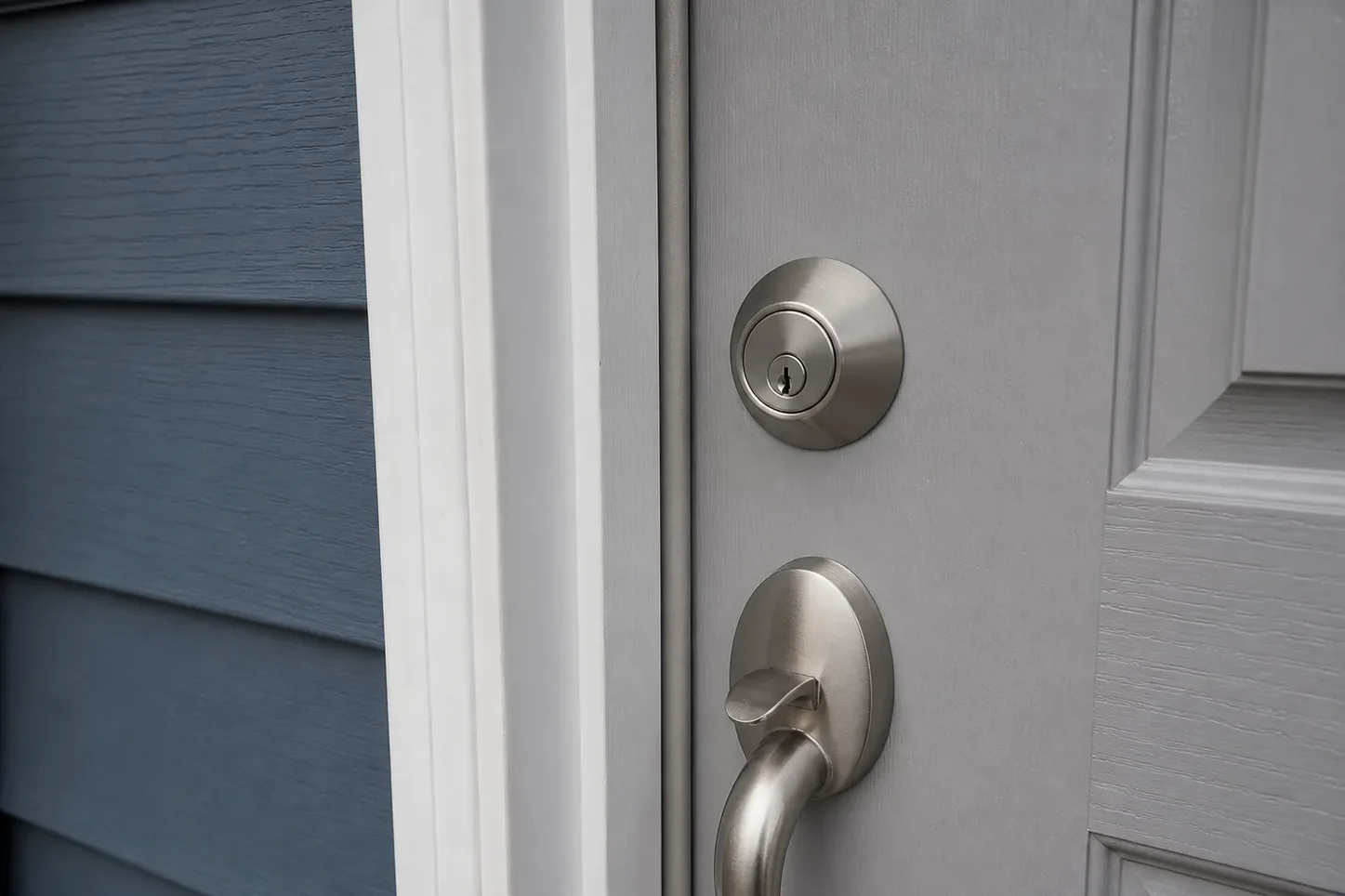
You're left with the doors you chose on one key, keypad codes that belong to you, and old keys that no longer open anything. If a lock was too corroded or worn to rekey, you'll know before it's replaced, and the replacement can be chosen for the coast. A sticking door gets its strike adjusted so the deadbolt throws without a push.
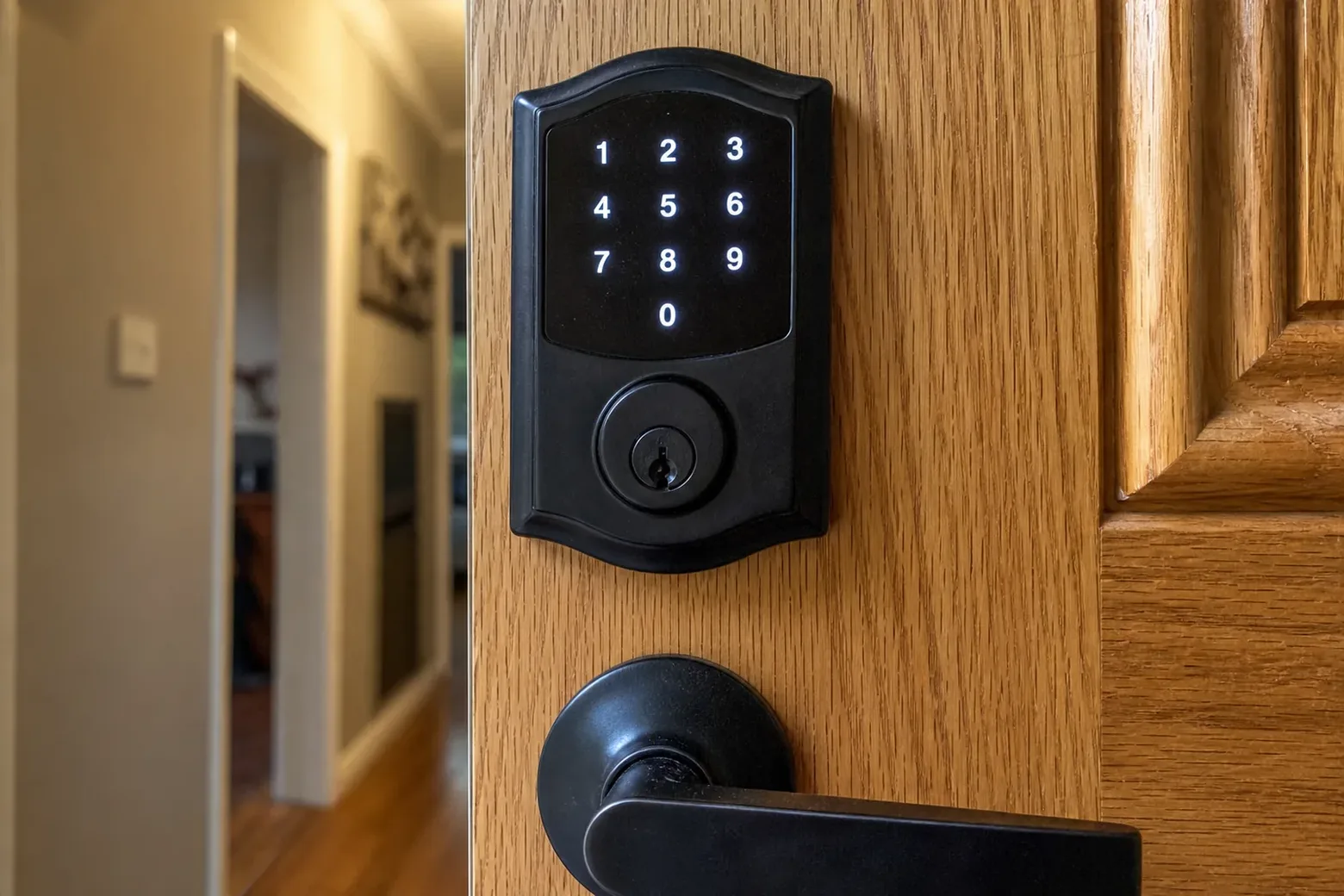
For a vacation rental or a place you only use part of the year, a keypad deadbolt means no keys to mail, hide or lose. It's set up so the bolt runs smoothly in the door, the owner code is yours alone, and guest codes can be changed between stays.
Salt air gets into keypads too, so keep spare batteries on hand and a backup key somewhere safe off the property.
Yes. Check your association's rules first; some manage their own master keys.
Yes, and clear the old guest and cleaner codes.
Rekey, unless the locks are worn or you want an upgrade.
It can get one: the door is prepared and a deadbolt installed on the same visit.
Usually, if the locks are compatible.
It gets the same attention as the front door, and it can go on the same key if you want.
Leave a key with someone local you trust, or use a keypad with a code only they know, and rekey if you lose track of who has one. A check on the locks when you arrive each season catches salt damage before it becomes a lockout.
Yes. Most keypad deadbolts hold several user codes, so each person gets their own and any one of them can be removed without changing the others.
Yes. Hardware with finishes made for coastal homes lasts longer near the ocean, and it's worth choosing when a lock has to be replaced anyway. Sound locks can still simply be rekeyed.
Yes, and it's written up before anyone starts.
Call us and we get a tech out to you.