Oceanfront hotels, souvenir shops, rental management offices, golf clubhouses and storage facilities: businesses on the Strand run on seasonal staff, and seasonal staff means keys that walk away.
One key for management, limited keys for the season.
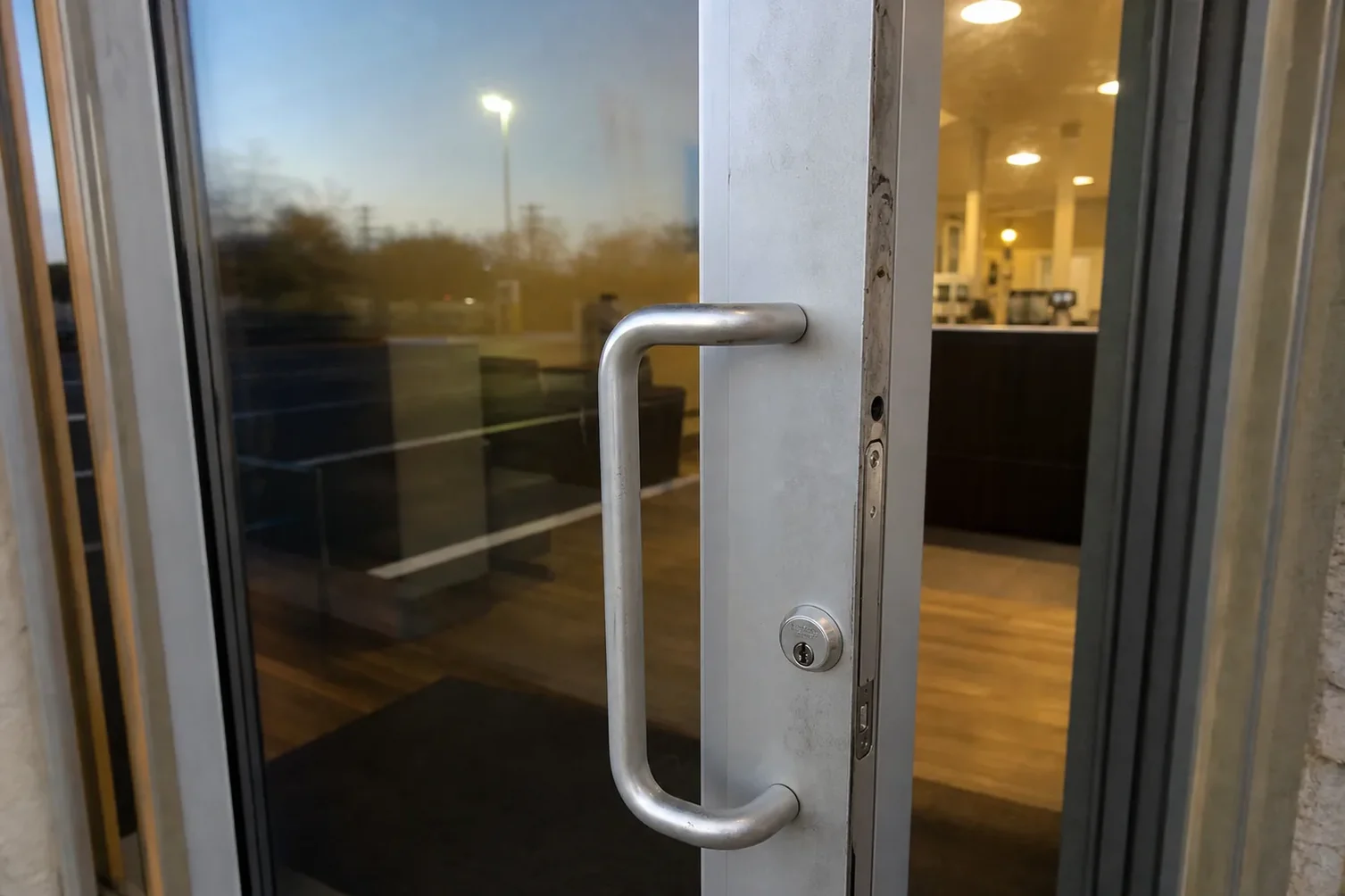
Push bars installed so exits open from inside and lock behind.
Planned around your busy season. The safe behind the counter is covered too: see safe locksmith service.
Every door, lock and person who needs access.
Before a single lock is changed.
Early mornings, late nights or the slow season.
A list of every key and code handed out.
Yes, and set up a master key plan for next season's staff.
Yes, with the tenant's or the facility's authorization.
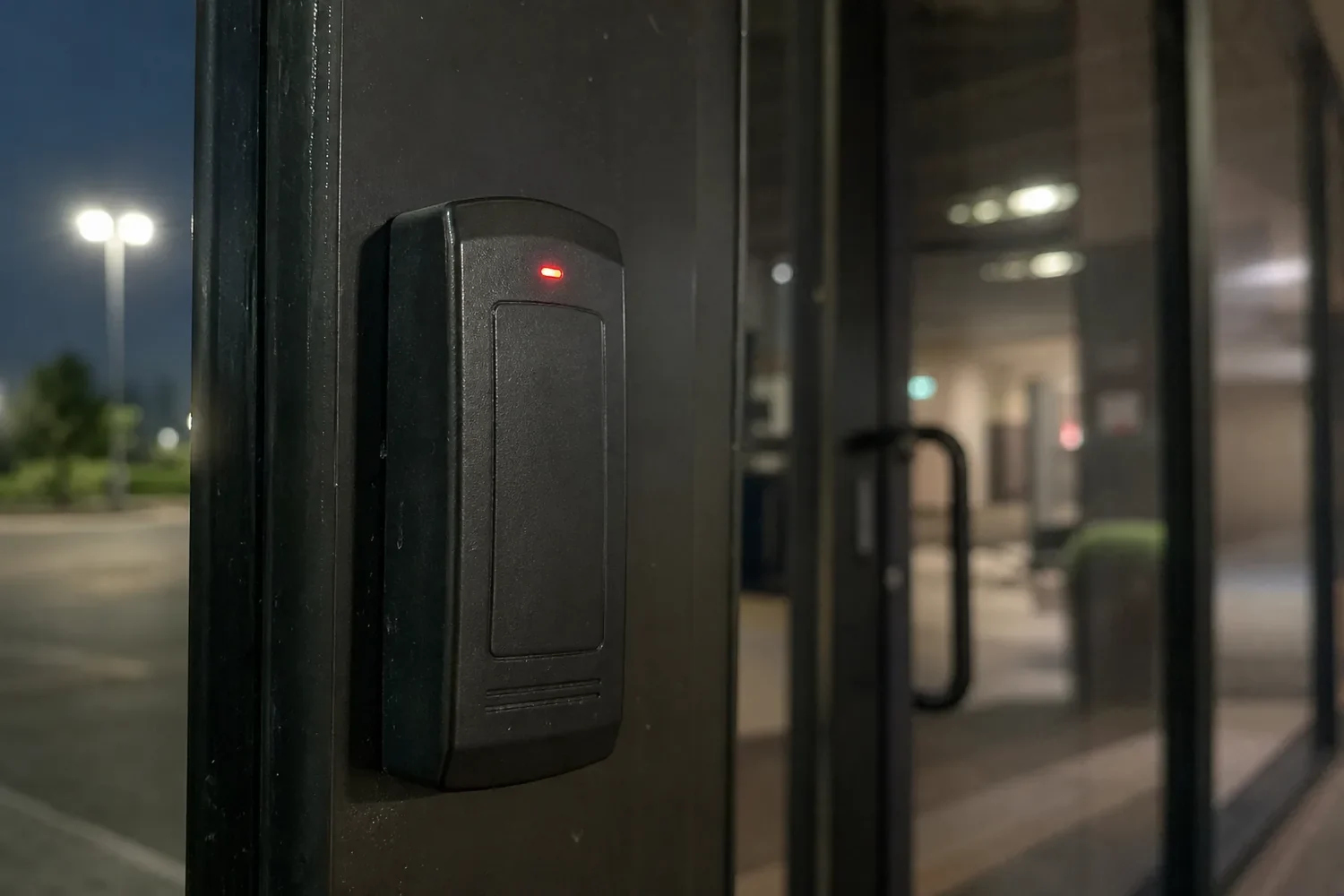
Yes, on the doors you have now, and you decide who gets which code.
Yes, or early mornings and late nights in summer, so guests aren't disturbed.
It gets replaced and adjusted so the door closes and latches.
Yes. A master key plan can cover the clubhouse, the pro shop, the cart barn and the maintenance shed, while each staff key opens only the doors that job needs.
Many hotels use electronic card locks managed by the lock maker's own service team. For those, we handle the mechanical side, such as back-of-house doors, closers and key overrides. Tell us the system when you call.
The door is secured first so the business can close up, then the frame, the closer and the lock are assessed. Some repairs wait on parts, but the door isn't left unlocked in the meantime.
Yes. The padlocks, latches and cylinders on roll-up doors and warehouse entries take a beating from salt air and heavy use, and they're serviced or replaced on the same visit as the rest of the building.
Yes, in writing, before any work.
Every summer brings new staff and every fall sends them home, and not every key comes back. Rekeying at the end of the season is the simple fix. Salt air is the other problem here: storefront cylinders and door closers corrode faster than they do inland, and a door that won't latch at closing is a security gap.
Storage units and rental offices have their own locks and their own lost keys, and they're handled on the same visit.
Golf clubhouses and pro shops tend to have a mix of glass storefront doors, cart barns and storage rooms, often keyed years ago by different vendors. A master key plan brings them under one system, with a short list of who holds which key.
Hotels along Ocean Boulevard, shops around Broadway at the Beach and the Market Common, restaurants, rental offices and golf clubhouses all share the same rhythm: a busy season, a quiet stretch, and staff who change in between. The quiet months are when lock work fits best, because a rekey or a new master plan doesn't compete with guests at the door. Golf clubhouses are small campuses of their own, with a pro shop, a restaurant, a cart barn and a maintenance yard, often keyed by different companies over the years, and restaurants on the busy stretches take deliveries at the back door from morning to close.
Before the visit, make a list of the doors, who uses each one and when, and which keys never came back last season. If a property management company or a franchise office sets rules for keys, have their contact ready. For doors on an alarm, have the alarm company's number, and for card-lock systems, the vendor's. Note which doors staff prop open during the busy months; those are usually the ones whose closers or locks need attention first.
You'll have doors that latch and lock, a master key plan matched to next season's staff, a written record of every key and code, and hardware chosen to cope with the salt. When staff leave in the fall, you'll know exactly what to rekey, and new hires can be given keys or codes on their first day without a scramble. Storage units and rental offices fold into the same plan.